

Athenaeum Debates
Since 2013, the prestigious Athenaeum Club have hosted a non-competitive debate event involving pupils of all ages from schools in Liverpool and Merseyside Region. Liverpool Learning Partnership are now working with the Athenaeum to coordinate this opportunity for schools.
Spring Debating Event
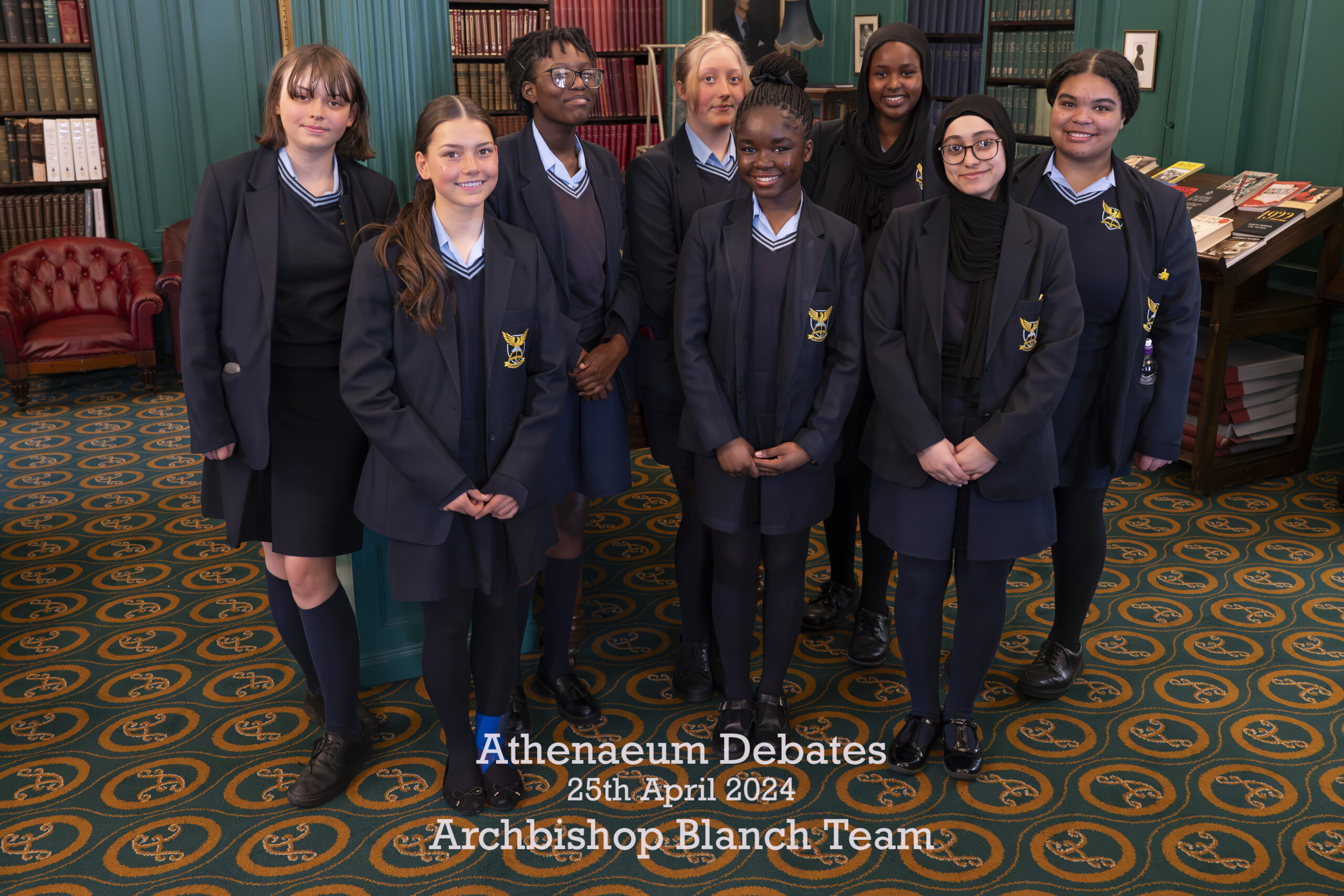
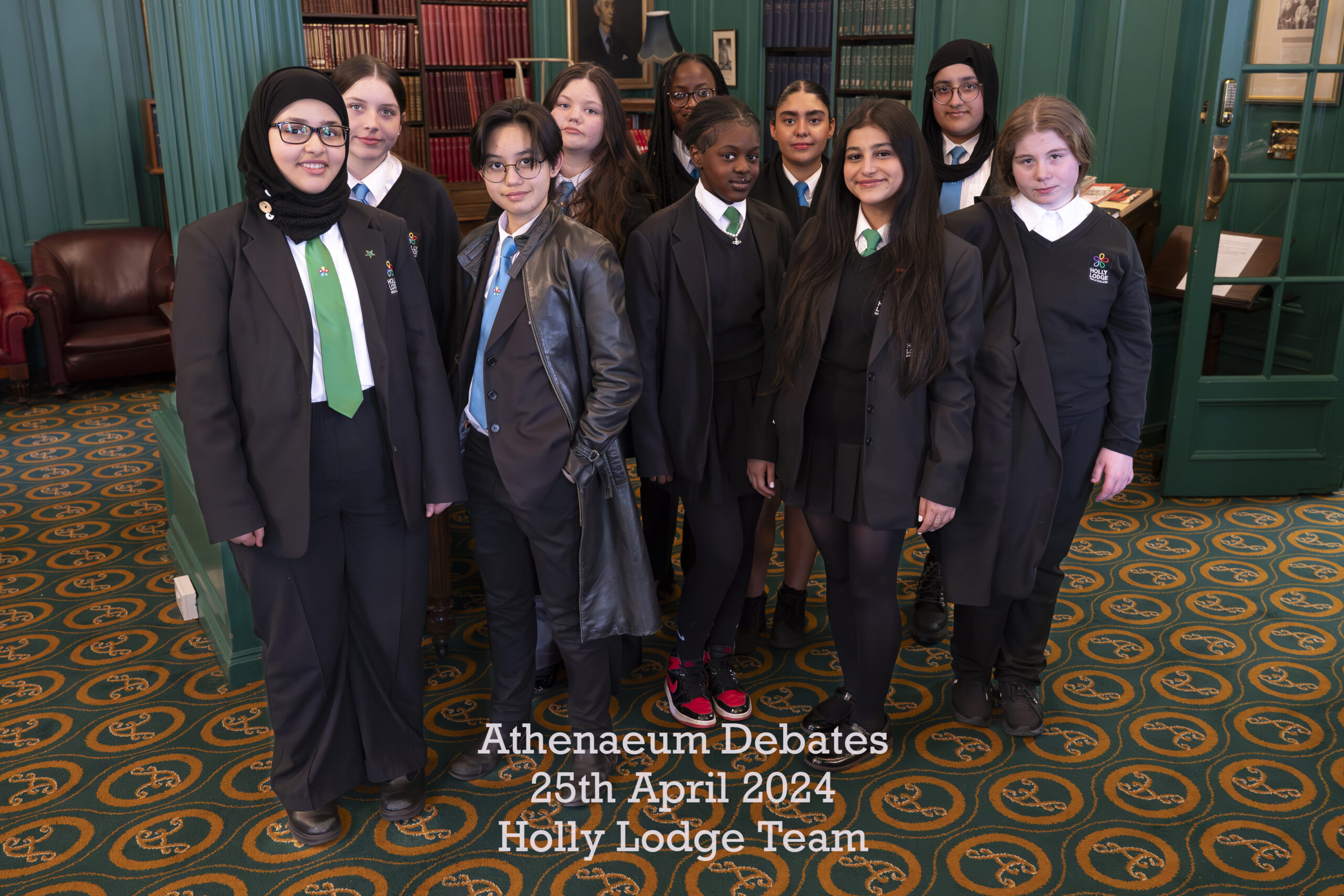
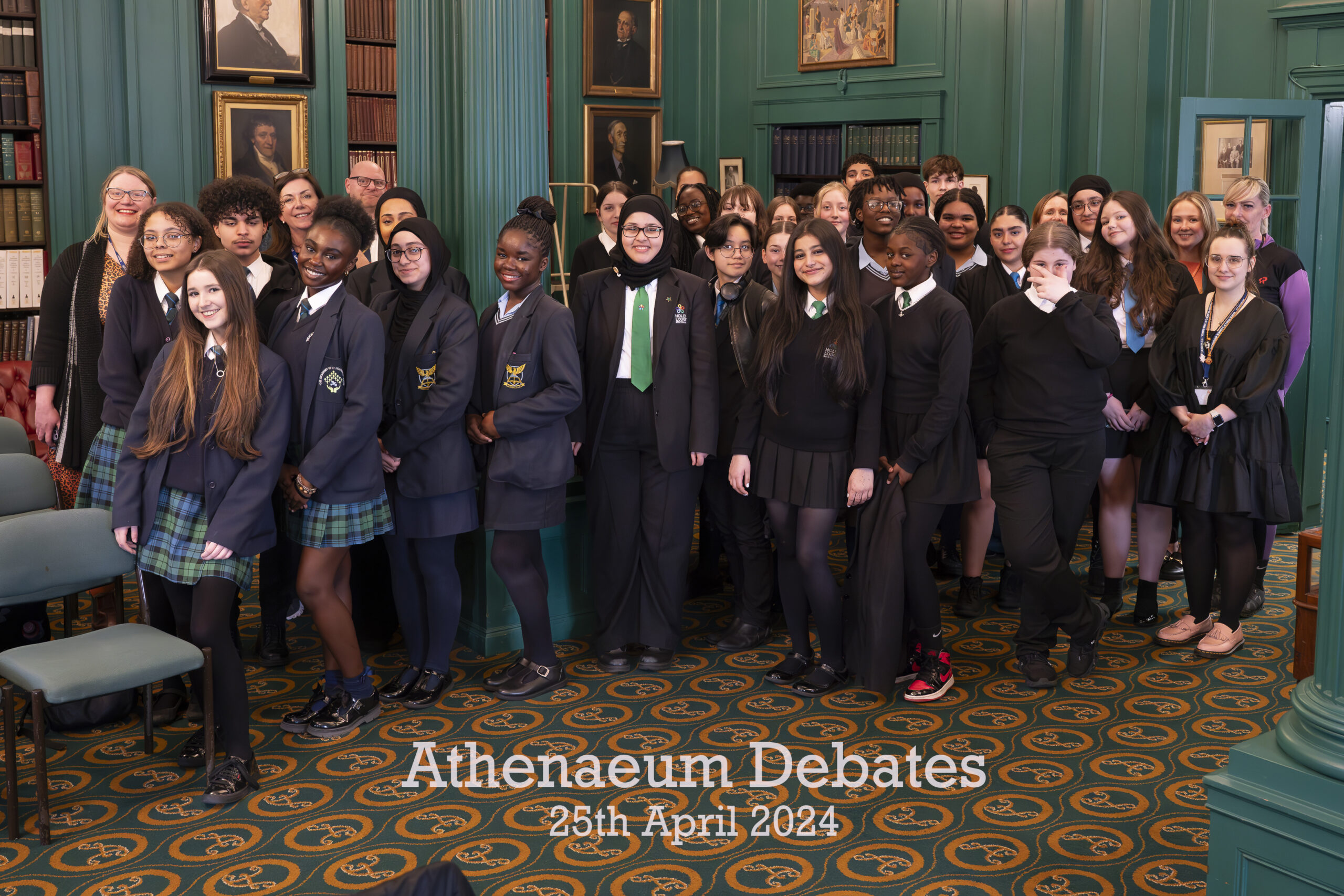
On Thursday, April 25th, students from Holly Lodge Girls College, Archbishop Blanch School, and the Academy of St Francis of Assisi met at The Athenaeum to debate a range of educational topics, ranging from school uniforms to the impact of AI. The event started with a tribute to the late Jeff Dunn, who ran Liverpool’s Schools Parliament for many years and originally set up these debates alongside David Roscoe from the Athenaeum.
Pupils from Year 9 and Year 10 showcased their critical thinking skills as they passionately presented arguments on both sides of the spectrum. With clarity and confidence, they offered nuanced perspectives that then sparked insightful whole group discussions.
Results of Debates
Each proposal was debated and then in turn the house conducted a group vote where they decided whether to pass or reject it.
The following proposals were passed:
This house believes that mental health issues should be regarded with equal importance for both staff and pupils.
This house believes that every school should have a traditional library managed by a professional librarian.
The following proposals were rejected:
This house believes that AI will in the future make teachers redundant.
This house believes that the benefits of pupils wearing school uniform outweigh any negative issues of cost for the families of pupils.
Resources
We have summarised these arguments and turned them into a range of resources that schools can use as stimulus for their own debates. These resources are open-ended and, thus, are suitable for use with children from UKS2-4. You may want to use these as part of an extra-curricular debate club, as a focus for spoken word work in class or as a starting point for written arguments.
Teachers can choose to simply share the debate titles and allow the pupils to develop their own main arguments or can provide pupils with the summary pages too as a scaffold and starting point for their own thinking.
If you use these resources, we’d love to know how you get on. You can tag us in on social media (@llpartnership) or use the contact us form to let us know more.


 Design by